Ethiopia's agricultural landscape is rich and diverse, encompassing various farming practices that contribute significantly to the national economy. Among these, livestock farming stands out as a crucial sector, providing livelihoods for millions of people. Feed plays a fundamental role in livestock production, directly influencing animal health, growth rates, milk and meat quality, and overall farm profitability. This article delves into the current feed state in Ethiopia, examining market dynamics, production challenges, quality concerns, and future opportunities.
Overview of the Feed Market
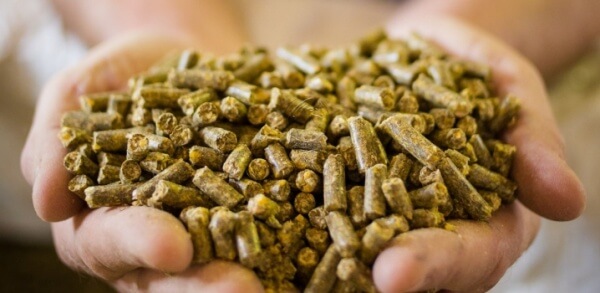
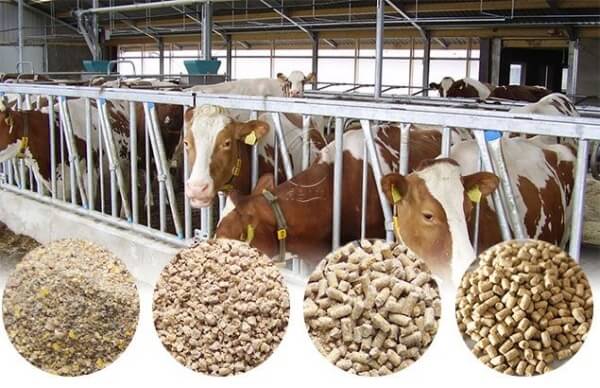
The feed market in Ethiopia has witnessed substantial growth over the past few years, driven by rising demand for livestock products. The primary types of feed used include pellet feed, which is favored for its nutritional efficiency and ease of storage, and powder feed, which remains popular among small-scale farmers. As the country aims to increase livestock production to meet both domestic and international demands, the feed sector is becoming increasingly competitive.
Several major feed producers are emerging, contributing to a more structured market. These companies often invest in research and development to create balanced feed formulations tailored to specific livestock needs. However, the overall market is still fragmented, with many small-scale producers lacking the resources and technical knowledge to improve their products. This presents both a challenge and an opportunity for growth in the sector.
Challenges in Feed Production
Despite its potential, the Ethiopian feed production sector faces significant challenges. A major issue is the inconsistent supply of raw materials. Essential ingredients such as maize, soybean, and sorghum often suffer from supply chain disruptions due to climatic factors, market fluctuations, and transportation inefficiencies. These challenges result in higher feed costs and reduced profitability for farmers.
Moreover, many producers still rely on traditional production methods, which can lead to inefficiencies and inconsistent quality. Modern techniques, such as extrusion and pelleting, are not widely adopted due to high initial investment costs and a lack of technical expertise among local farmers. This gap in technology hinders the sector's ability to meet the growing demand for high-quality feed.
Regulatory challenges also play a role in the sector's stagnation. While there are policies in place aimed at supporting feed production, their implementation is often inconsistent. Subsidies and support programs can be limited in scope, failing to address the broader issues of infrastructure and market access that many small producers face.
Feed Quality and Safety
Feed quality is a paramount concern in Ethiopia, directly impacting livestock health and productivity. The existing quality standards, although established, often lack rigorous enforcement. This leads to widespread issues, such as contamination from mycotoxins, inadequate nutrient content, and improper use of feed additives. Such problems not only jeopardize livestock health but also pose risks to food safety for consumers.
The Ethiopian government, along with industry organizations, has a critical role to play in improving feed quality. Enhanced monitoring and regulation can ensure compliance with safety standards. Additionally, educating farmers about the importance of using high-quality feed and safe production practices is essential for fostering a culture of quality in the feed industry.
Sustainable Development and Future Trends
Looking toward the future, the development of sustainable feed sources is crucial for the growth of Ethiopia's livestock sector. There is a significant opportunity to explore renewable feed ingredients, such as aquatic plants, insects, and agricultural by-products like sugarcane bagasse and oilseed cakes. Utilizing these resources can reduce dependency on traditional feed grains and help mitigate the impact of fluctuating raw material prices.
Modern production technologies, including formulation optimization, feed additives, and nutritional enhancements, can greatly improve the quality and efficiency of feed. Investment in research and development is vital for creating tailored feed solutions that meet the specific nutritional needs of different livestock species.
Furthermore, the government can play a pivotal role in promoting a favorable business environment for feed production. This includes providing financial incentives, improving infrastructure for transportation and storage, and facilitating access to markets for small-scale producers. Collaborative efforts among stakeholders—farmers, producers, government, and research institutions—are essential for addressing the challenges and leveraging the opportunities within the feed sector.
The Role of Henan Herm Machinery Co., Ltd.
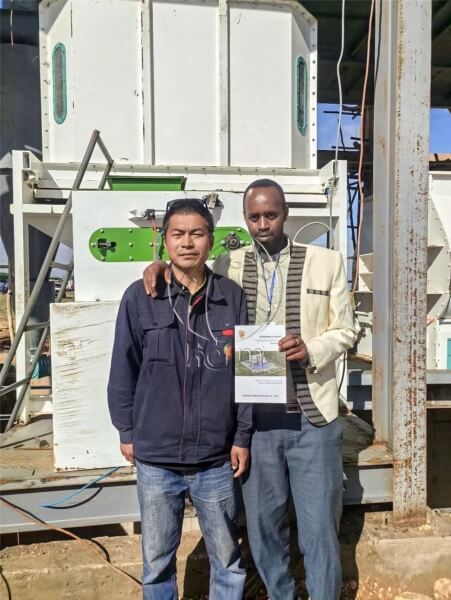
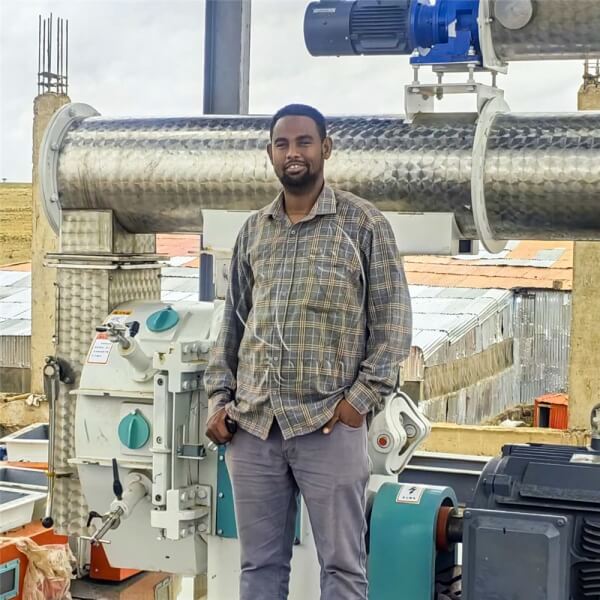
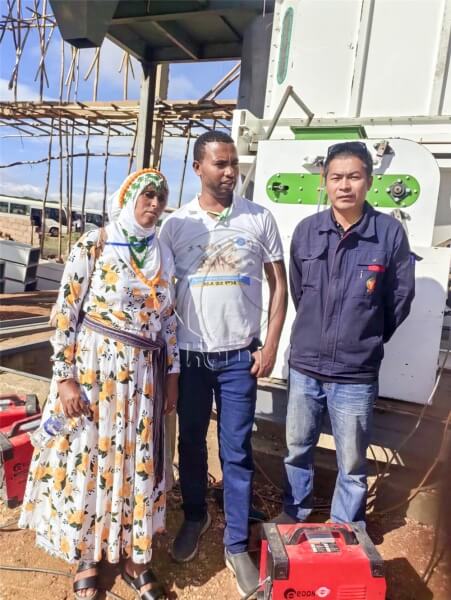
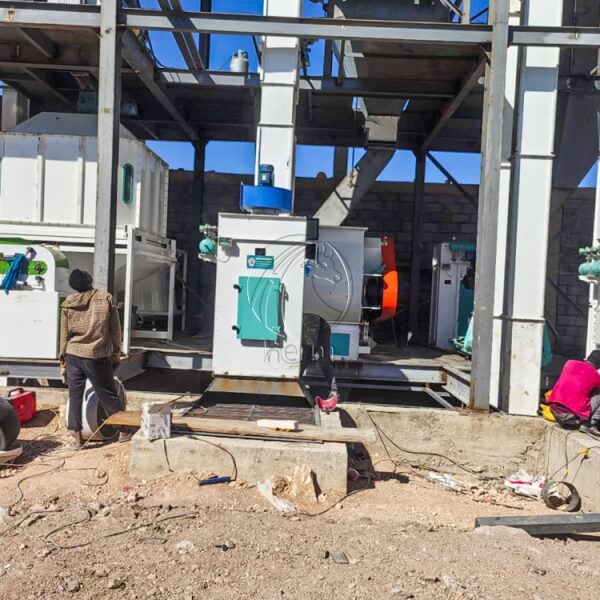
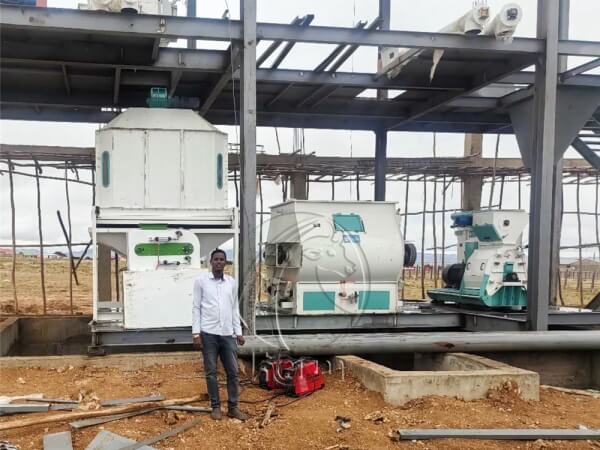
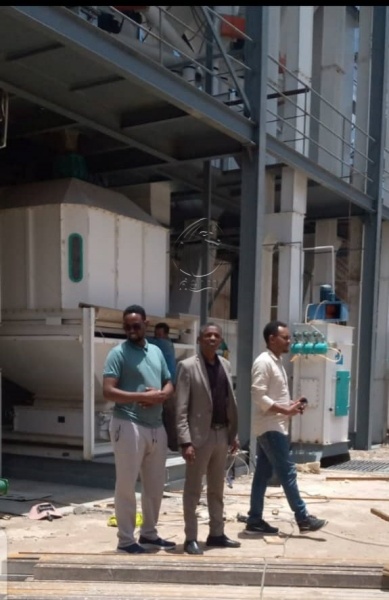
Henan Herm Machinery Co., Ltd. is a specialized manufacturer of feed equipment, dedicated to advancing feed production in Ethiopia. We have successfully undertaken several projects in the country, providing turnkey solutions for feed equipment. Our services encompass comprehensive planning of factory layouts, production of machinery, construction of facilities, and the manufacturing of silos.
We offer a complete suite of technical support, including preliminary 3D design planning, technical design of feed production lines, and facility design. Additionally, we provide installation and training services to ensure optimal operation. If you are interested in feed production technology, we welcome you to contact us at any time.
Conclusion
In conclusion, the feed market in Ethiopia presents both challenges and opportunities. While issues such as raw material shortages, quality control, and outdated production methods persist, the potential for growth and innovation is significant. By adopting modern technologies, improving regulatory frameworks, and fostering sustainable practices, Ethiopia can build a resilient and productive feed industry. The future of feed in Ethiopia holds promise, contingent on the collective efforts of all stakeholders in the agricultural sector to create a thriving and sustainable livestock industry.
Henan Herm Machinery Co., Ltd was established in 2010 and has been devoted to the research and development of Feed Mill Machinery ever since. With more than 10 years of experience, Herm® has become a leading manufacturer and supplier of animal feed machines and complete animal feed production lines, cattle feed plants, poultry feed plants, animal feed pellet production lines, etc. It always endeavored to improve the quality of products and aims to meet the new requirements of the international market.
If You Are Ready to Start a Feed Pellet Plant Business, please contact us for the feed mill machine. We Can Provide Professional Design and Comprehensive Guidance According to Your Needs. Get in touch with us now!
Welcome Contact Us!
Henan Herm Machinery Co., Ltd
Email: info@hermmachinery.com
Phone/Whatsapp: 0086-18037508651
Comments
Post a Comment