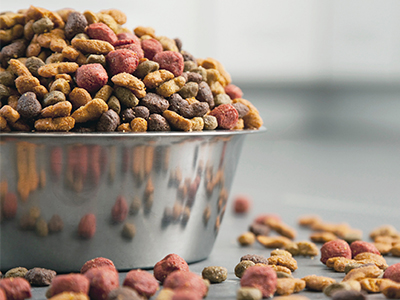
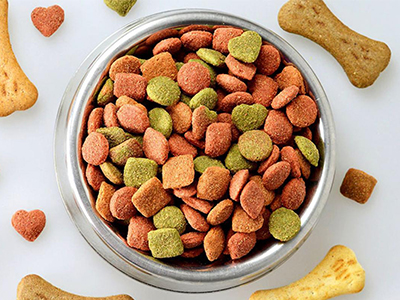
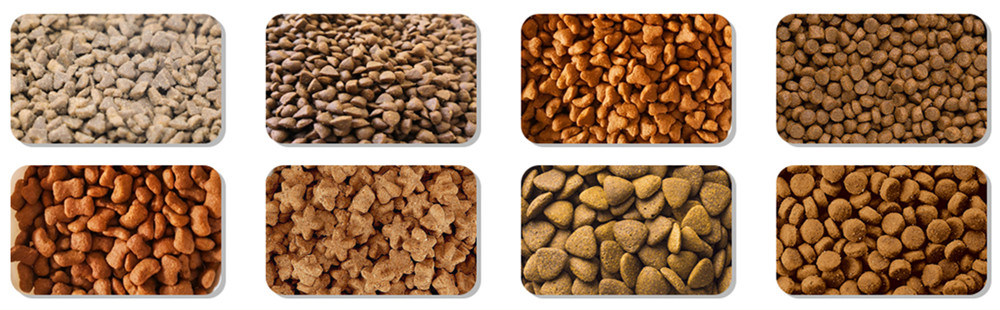
The pet food production is assigned to pet food (including dog food, cat food, etc.) with unique shapes, tastes, and colors, and adapts to scientific nutrition ratio and easy to digest and other features to adapt to the ever-growing pet food market. Taste of varied shapes and meet the needs of all kinds of pet food.
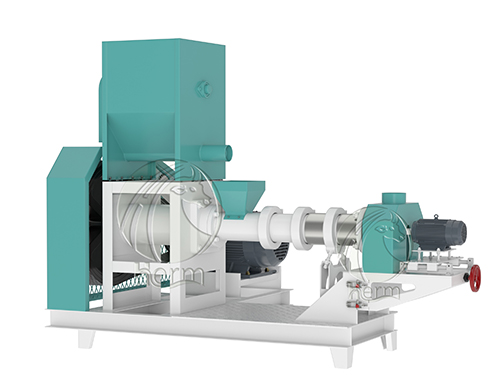
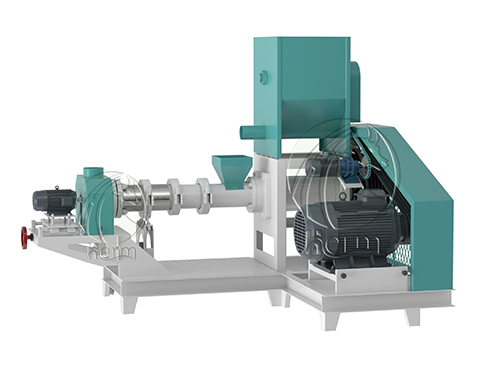
Our pet food production line consists feed mixing machine, pet food extruder, air cooler machine, drying machine, seasoning line, etc. Reasonable structural design, special materials, and self-cleaning performance ensure the stability of the machine and facilitate maintenance.
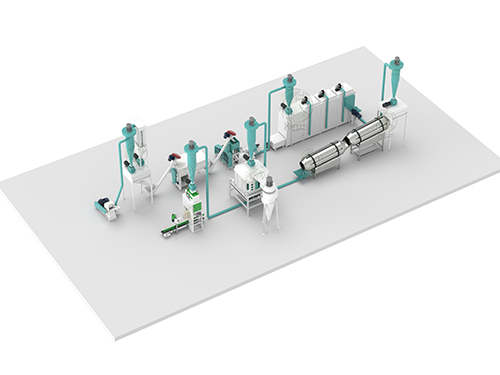
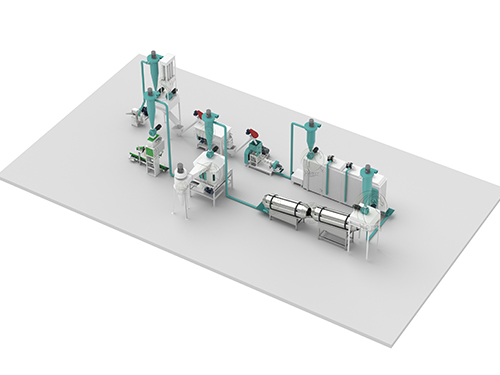
Pet feed refers to the products produced by industrial processing for direct consumption by pets, also known as pet food, including pet compound feed, pet additive premix feed, other pet feed, etc.
2. What Raw Materials Can Use in the Pet Food Production Line?
Pet food mainly uses protein and fat as raw materials, including wheat, soybean meal, rapeseed meal, rice bran, bran, blood meal, bone meal, meat meal, oil, antibiotics, vitamins, etc.
3. What kind of Feed This Pet Food Production Line Can Produce?
It can produce dog food, cat food, and other pet food with different shapes, tastes, and colors and also can produce aquatic feed floating feed, mackerel feed pellets, goldfish feed pellets, shrimp feed pellets, crab, mud, bullfrog and other feeds and foods.
4. Why Choose Our Pet Food Production Line?
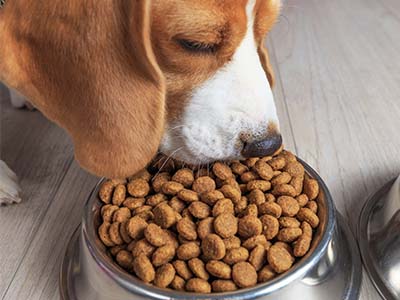
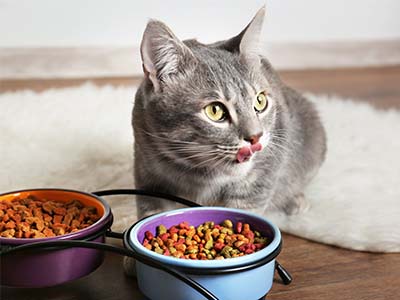
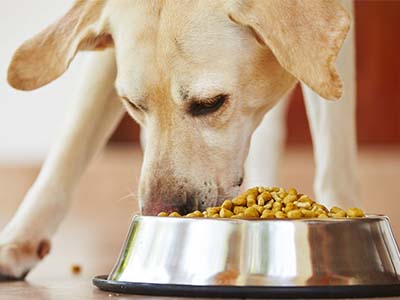
Widely Applications: This animal feed pellet mill plant can make feeds for dogs, cats, and other pets with different shapes, tastes, and colors, and also can produce aquatic feed floating feed, mackerel feed pellets, goldfish feed pellets, shrimp feed pellets, crab, mud, bullfrog feed with different sizes in diameter.
Low Installation Cost: Our pet feed production line is carefully designed according to the on-site survey of the production site and customer requirements, in line with the principle of “economical and practical”. It comes with detailed installation and commissioning instructions, and it is easy to install the machine, you can use it immediately after the machine is installed.
Low Production Cost: The animal feed factory only needs several production workers to complete the production operation. With less labor and lower production costs, your profits will increase.
5. What we can do for you?
We can provide the project design, layout design, flow chart, feed-making machine manufacture, the project installation and commission, your staff training, after-sales service, etc. Also, our professional install team will serve you if you need it.
Typical raw materials used in pet food processing include grain meal, vegetable protein, minerals, and vitamins, and in some cases meat or fish meal and fresh meat.
The dried material enters the pre-conditioner for steam hydration. The mixer mixes the ingredients and ensures the steam, moisture, and ingredients are properly mixed.
Pre-treatment produces partial gelatinization of the starch and a polymeric structure. The par-cooked mixture is then sent to a twin-screw extruder with precise control of shear, internal temperature, pressure, moisture, and residence time to achieve optimal starch gelatinization without loss of food quality.
At various stages of processing, liquid or vapor can be injected through ports in the extruder barrel. Degassing can be done at this stage using exhaust packing.
1. Mixing Process
The mixing process is a key process in the production of pet food. The basic process is to weigh raw materials of different weights according to the formula, then pour them into the crusher for crushing, and then temporarily store all the raw materials in the storage bin. Then all the ingredients are ready and put into the blender and blended.
2. Extrusion Process
Extrusion is a high-temperature, short-time heat treatment process. It can not only reduce the degradation of food nutrients, and improve the digestibility of protein and starch, but also destroy anti-nutrients and microorganisms.
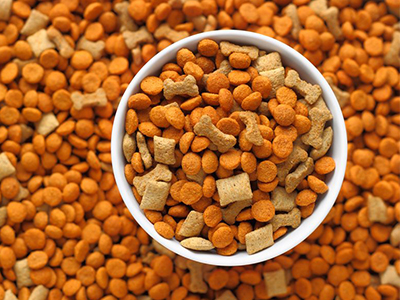
Through different molds (templates) of the feed extruder, dry pet food in shapes such as round, triangular, flower, and bone can be produced. In pet food production, fat is often added to improve the palatability of pet food, which is done during conditioning. Also, to give pet food tablets different colors, manufacturers often add coloring water to the extrusion chamber.
3. Drying Process
The drying part is mainly used to remove moisture from extruded pet food. The extruded material is soft in texture and has a water content of 20-30%. After drying, the moisture content of the finished product is controlled at 8%~10%, which can ensure the storage of the material within a certain period of time.
4. Add Grease Process
Oil is the best energy source, so according to the growth needs of pets, 2%-40% oil can be added to the formula. We suggest that the fat content in the formula, that is, the total oil content in the extruder should be kept within 12%. If the required oil content exceeds 12%, the hardness of the particles will be significantly reduced. If the extruded material needs to contain more than 12% oil, it is recommended to add oil after drying.
Can be used under normal pressure or vacuum spraying, depending on the amount of oil added. The exterior spray will give the pet food pieces a more attractive appearance. In addition to oil, some powdered attractants are sprayed to increase the palatability of pet food.
5. Cooling and Screening Process
The main function of the cooling section is to cool the dried material from high temperature to close to room temperature and take away part of the moisture. In addition, during this process, unqualified food tablets will be separated from qualified food.
Comments
Post a Comment